BLOG
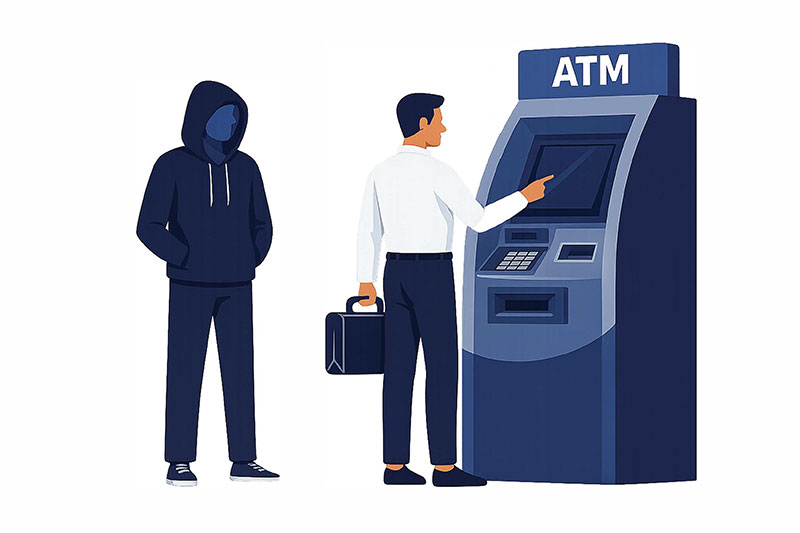
Protecting Your ATM and Customers from “Jugging”
As financial institutions continue to invest in ATM security, criminals continue to evolve their tactics. One growing threat is ATM jugging—a crime that extends beyond the ATM itself and targets customers after they complete a transaction.
Understanding how jugging works and implementing proactive security measures can significantly reduce risk while reinforcing your commitment to customer safety.
What Is ATM Jugging?
Jugging occurs when criminals observe customers withdrawing cash from an ATM or financial institution and then follow them to another location—such as a parking lot, retail store, or even their home—to commit a robbery.
Unlike traditional ATM attacks that focus on the machine, jugging targets the customer after the transaction has been completed. Criminals often scout ATM locations in advance, looking for predictable routines, limited surveillance, poor lighting, or other vulnerabilities, they can exploit.
Why ATM Owners Should Be Concerned
A jugging incident can have lasting consequences beyond the financial loss suffered by the victim. It can negatively impact customer confidence, damage your institution’s reputation, and increase potential liability.
The good news is that many jugging incidents can be discouraged through thoughtful ATM placement, strong physical security, and increased customer awareness.
Eight Ways to Reduce the Risk of Jugging
1. Improve Visibility
Criminals prefer locations where they can remain unnoticed. Ensure ATMs are surrounded by bright, consistent lighting and maintain clear sightlines by removing landscaping, signage, or other obstructions that create hiding places.
2. Deploy High-Quality Video Surveillance
Install high-resolution security cameras that monitor both the ATM and the surrounding area. Visible surveillance signage also serves as an effective deterrent, letting would-be criminals know their actions are being recorded.
3. Choose ATM Locations Carefully
Whenever possible, place ATMs in highly visible, well-traveled areas with regular activity. Avoid isolated locations or areas with easy escape routes, such as secluded parking lots or alleyways.
4. Work with Local Law Enforcement
Develop relationships with local law enforcement agencies. Request periodic patrols of ATM locations and be prepared to provide surveillance footage quickly whenever suspicious activity is reported.
5. Educate Your Customers
Simple reminders can make a meaningful difference. Encourage customers to:
- Stay aware of their surroundings.
- Put cash away before leaving the ATM.
- Avoid counting money in public.
- Report suspicious people or vehicles immediately.
These messages can be displayed on ATM screens, decals, or nearby signage.
6. Watch for Suspicious Activity
Employees should understand the warning signs of jugging, including loitering, repeated observation of ATM users, or individuals following customers after transactions. Financial institutions may also benefit from remote monitoring solutions or AI-powered video analytics that identify unusual behavior.
7. Reduce Criminal Incentives
Establish reasonable ATM withdrawal limits and offer digital receipts whenever possible. Reducing distractions during the transaction helps customers remain alert to their surroundings.
8. Maintain a Professional ATM Environment
A clean, well-maintained ATM communicates that the location is actively monitored. Promptly repair broken lighting, damaged equipment, graffiti, or vandalism to discourage criminal activity.
Security Is More Than Protecting the ATM
Today’s security strategy must protect both the ATM and the people who use it. A layered approach that combines physical security, surveillance, customer education, and proactive monitoring can significantly reduce the risk of jugging while strengthening customer confidence.
At Wittenbach, we help financial institutions build comprehensive ATM security programs designed to protect customers, minimize risk, and keep self-service banking safe. Whether you’re evaluating surveillance upgrades, remote monitoring solutions, or ATM site security, our experts can help you develop a strategy tailored to your network.