BLOG
Artificial Intelligence in Video Security: Practical Paths to Implementation
Artificial intelligence (AI) continues to dominate industry discussions – and for good reason. In a recent Wittenbach blog article, AI in Security Video Surveillance (https://wittenbach.com/ai-in-security-video-surveillance/), we explored the topic at a high level. That overview provides helpful context and is worth reviewing before diving deeper. This article focuses more narrowly on where AI is delivering the most immediate and measurable impact: video security systems.
How AI Is Transforming Video Security
AI is driving significant advances across four core areas of video security performance:
- Enhanced Object Recognition
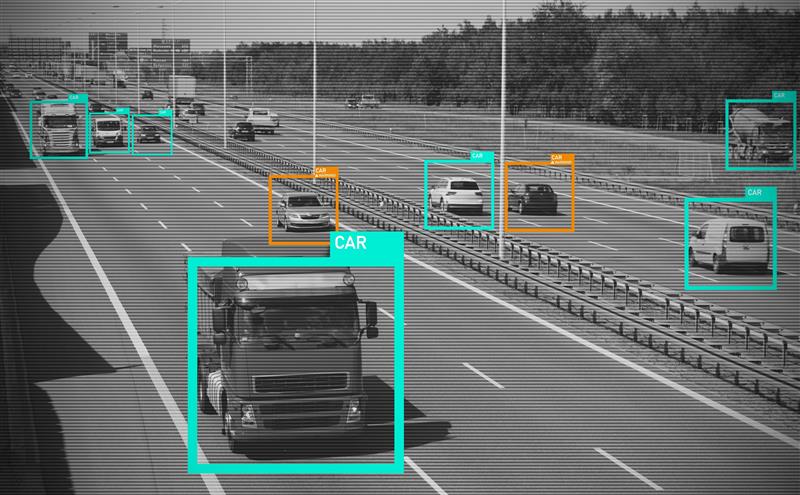
AI enables systems to accurately identify people, vehicles, animals, and other objects—moving beyond traditional pixel-based motion detection to meaningful scene understanding. - Improved License Plate and Transaction Data Capture
Advanced analytics can reliably extract license plate data, ATM transactions, or point-of-sale information, with flexible reporting and search capabilities. - Intelligent Search and Investigation
Natural-language queries such as “show a red truck entering the lot” dramatically reduce investigation time compared to manual time/date or motion-based searches. - Environmental Adaptability
AI-driven processing significantly reduces false alarms caused by weather, lighting changes, shadows, or background movement—one of the most persistent challenges in video monitoring.
Multiple Ways to Add AI—Without Starting Over
Adopting AI does not always require a full system replacement. While a complete upgrade is one option, many organizations benefit from phased or incremental approaches that extend the life of existing infrastructure. Common implementation paths include:
- Complete Video Management System (VMS) Upgrade
The most comprehensive option is deploying a modern VMS with native AI capabilities. Most current platforms support AI analytics while remaining compatible with existing IP cameras. If your cameras are relatively recent, a VMS upgrade alone can unlock advanced AI features alongside broader performance, usability, and cybersecurity improvements.
- Selective Deployment of AI-Enabled Cameras
Another effective strategy is introducing high-end cameras with onboard (edge-based) AI analytics in critical areas. Many of these cameras support ONVIF Profile M, ensuring broad VMS compatibility. While edge-enabled cameras typically carry a higher upfront cost, they often require no recurring fees for core analytics—making them a cost-efficient option for targeted use cases.
- Embedded AI Analytics Appliances
Standalone AI appliances—often referred to as “black boxes”—can be added to existing ONVIF-compliant IP cameras. These devices use powerful system-on-a-chip (SoC) hardware and specialized analytics software to process multiple video streams. As long as camera resolution and placement are adequate, this retrofit approach delivers strong results with moderate investment. Costs typically include a one-time hardware purchase and, in some cases, per-stream annual licensing.
Moving Forward with Confidence
Once organizations experience the real-world benefits of AI-powered video—reduced false alarms, faster investigations, and actionable intelligence—the value becomes clear. Just as important, today’s flexible implementation options make adoption achievable without unnecessary disruption or cost.
Let the AI experts at Wittenbach guide you. We’re ready to assess your existing environment and recommend a video security strategy that aligns with your operational needs and budget. Contact us today to get started.